
Weight Management & Metabolic Health
Medical Weight Loss in Vancouver, WA
At our Salmon Creek clinic in Vancouver, WA, we provide personalized weight and metabolic care that may include nutrition, body composition testing, and GLP-1 medications such as semaglutide when clinically appropriate.
We focus on sustainable progress—not just pounds lost, but metabolic health, muscle, energy, and habits that support your health long term.
A different kind of weight care.
What visits cost
Clear pricing, no surprises.
New Patient Intake Visit
55 minutes
$299
Follow-Up Visit
25 minutes
$149
Payment is due at the time of service. We are also working to expand insurance participation; check our Payment & Insurance page for updates.
A DIFFERENT KIND OF WEIGHT CARE
Not just a prescription.
Medication can be a valuable tool, but it is only one part of comprehensive weight care.
Your treatment plan may include:
- Nutrition guidance that is practical and sustainable
- Strategies to preserve or build muscle
- Body composition testing
- Sleep, stress, and metabolic health evaluation
- Treatment of medical conditions affecting weight
- Prescription medication when appropriate
- Support through plateaus, transitions, and maintenance
You do not have to be taking a GLP-1 medication to work with us. Some patients use medication, some do not, and others use it temporarily or at a lower dose as part of a broader plan.
The right approach is the one that is medically appropriate, realistic, and sustainable for you.
YOUR INTAKE VISIT
What to expect.
During your intake visit, our Nurse Practitioner will take time to understand your life as a whole, including your:
- Personal health goals
- Current medications and medical conditions
- Previous weight-loss experiences
- Lifestyle and daily demands
- Nutrition habits
- Sleep quality
- Stress levels
- Routine movement and activity
This is not a one-size-fits-all program.
It is healthcare designed around your actual life.
We begin by meeting you where you are and identifying small, realistic changes that can build over time. Most people do not have the time or energy for a complete routine overhaul—and we do not believe an all-or-nothing approach is sustainable.
OUR PHILOSOPHY
We don't believe in
- Crash diets
- Shaming people
- Letting the scale tell the whole story
- Calling weight regain failure
We do believe
Obesity is a complex medical condition influenced by biology, genetics, hormones, medications, sleep, stress, nutrition, movement, environment, and life circumstances.
Lasting change comes from understanding the whole picture—not simply trying harder.
Whether your plan includes nutrition support, medication, body composition tracking, strength-building, or a combination of approaches, our goal remains the same:
To help you build a healthier body that will serve you for decades—not simply lose weight for a few months.
BODY COMPOSITION TESTING
Your weight does not tell the whole story.
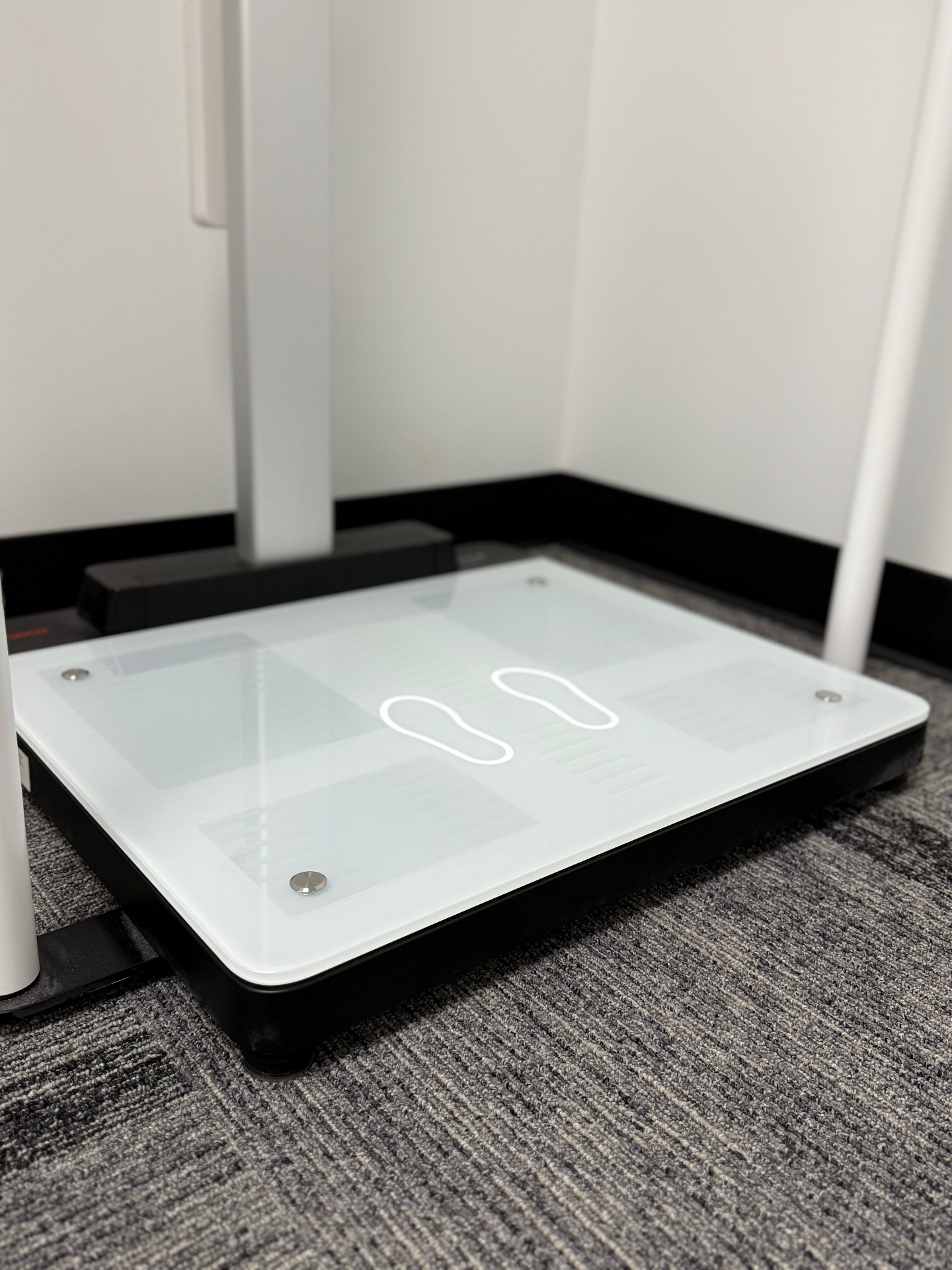
As part of your intake, we perform body composition testing using our medical-grade SECA system.
This helps us understand what your weight is made of, including:
- Skeletal muscle
- Body fat
- Visceral fat
- Body water
- Fat distribution
Two people can weigh exactly the same and have very different health needs.
Body composition testing allows us to set more meaningful goals, protect muscle during weight loss, and recognize progress that may not appear on a traditional scale.
Because losing muscle along with fat can affect strength, metabolism, balance, and long-term health, we pay close attention to what you are losing—not only how much.
From the journal
Why the scale lies and body composition tells the truth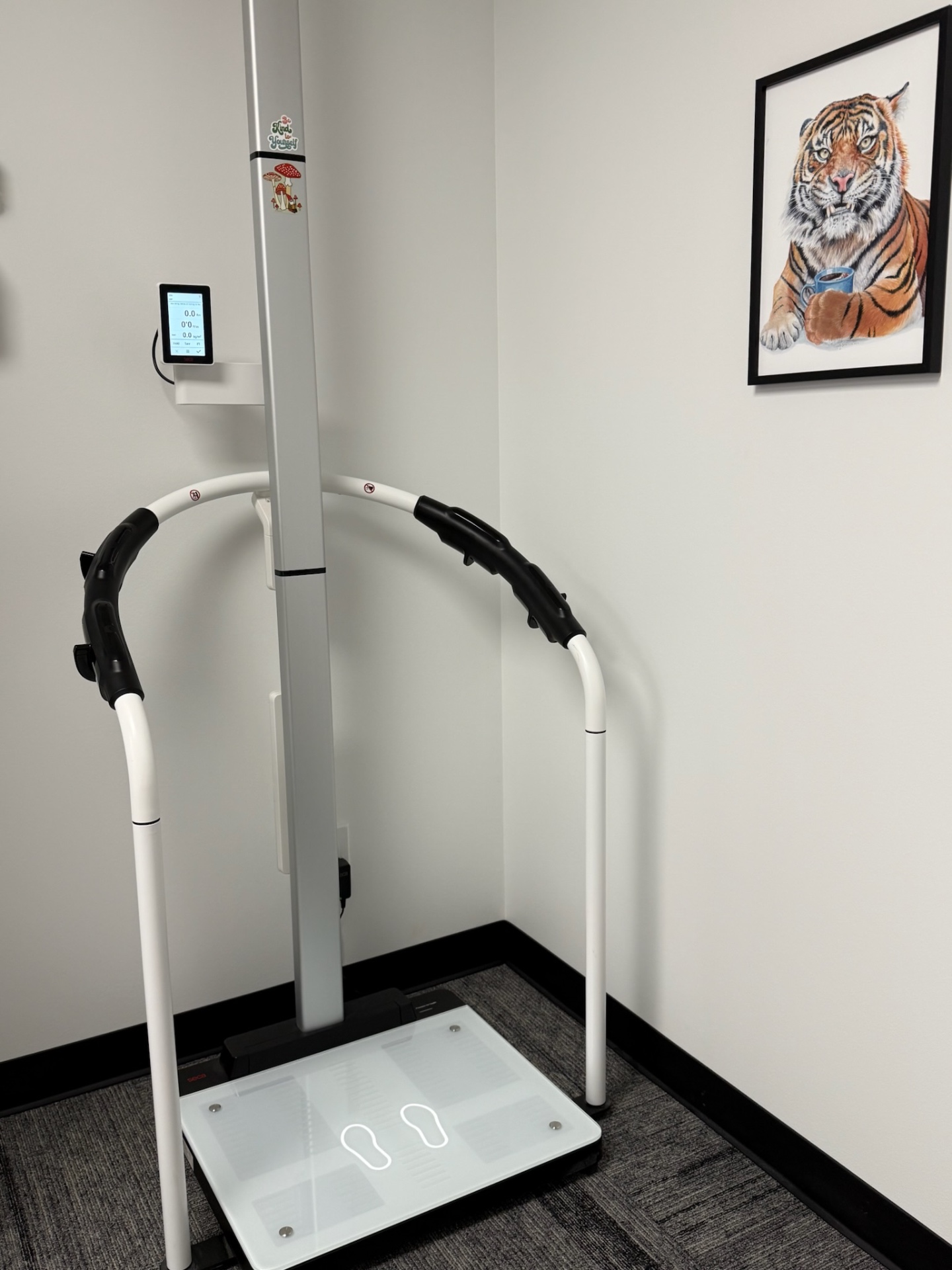
MAINTENANCE IS PART OF THE PLAN
Weight loss is not the finish line.
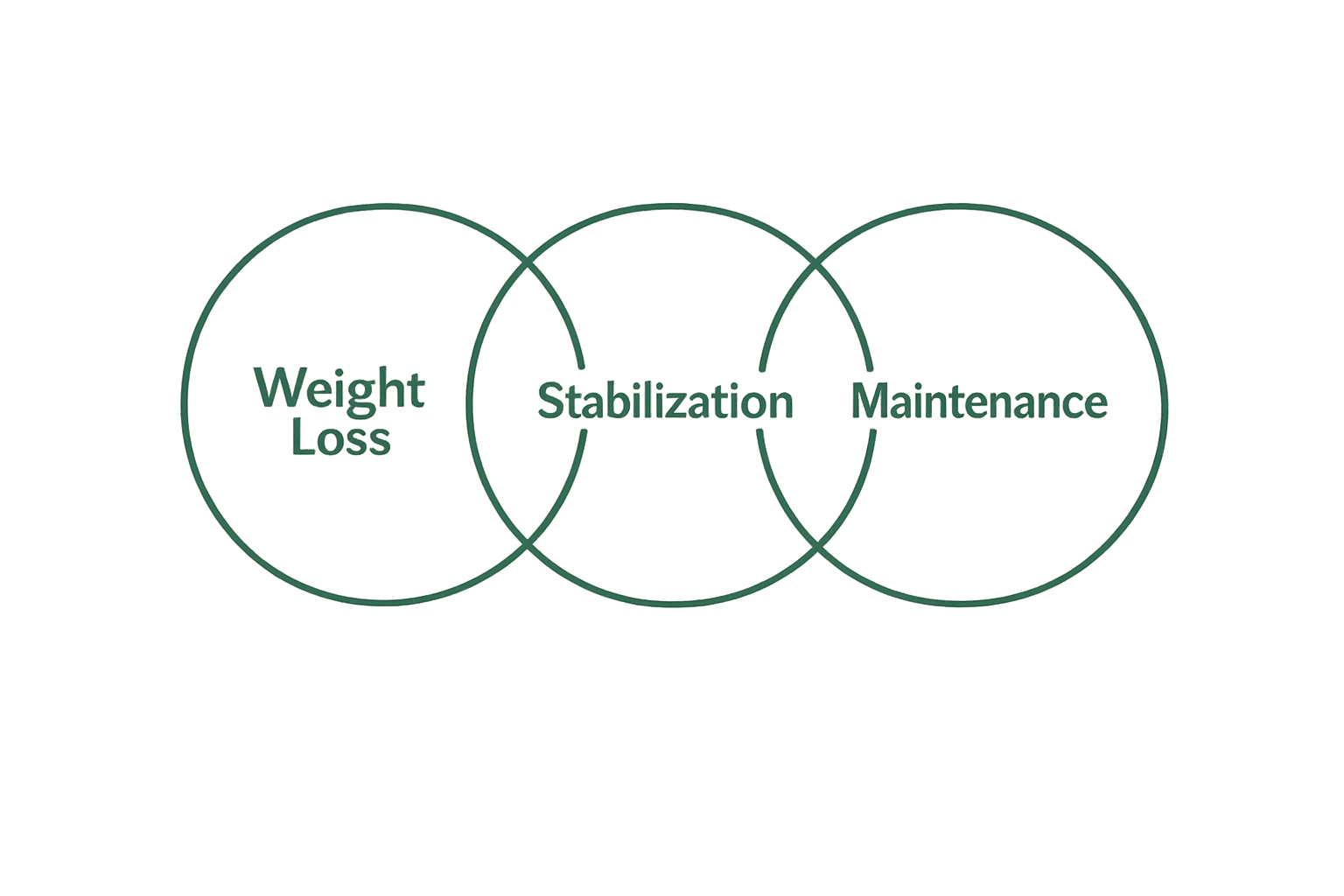
Maintaining weight loss can be just as challenging as losing weight. Biology often pushes back through changes in hunger, fullness, energy expenditure, and food cravings.
That is why maintenance is discussed from the beginning.
As your health stabilizes, visits may become less frequent, but you will not simply be left to figure everything out on your own. We can continue to help you adjust nutrition, protect muscle, manage medication, respond to weight regain, and navigate changes in your health or life circumstances.
Weight regain is real life—not a personal failure. When it happens, we reassess and move forward.
WHO WE WORK WITH
Weight Management & Metabolic Health visits may be appropriate for adults who:
- Have struggled to lose or maintain weight
- Are concerned about prediabetes, insulin resistance, cholesterol, fatty liver disease, or blood pressure
- Want to protect muscle while losing weight
- Are considering weight-loss medication
- Are already taking a GLP-1 but want more comprehensive support
- Have reached a plateau
- Desire to transition off medication
- Want a long-term maintenance plan
- Care more about improving health than achieving a specific scale number
You do not need to wait until your health is “bad enough” to ask for help.
Ready when you are
Book your Weight Management & Metabolic Health visit.
Frequently asked